910
2 days ago
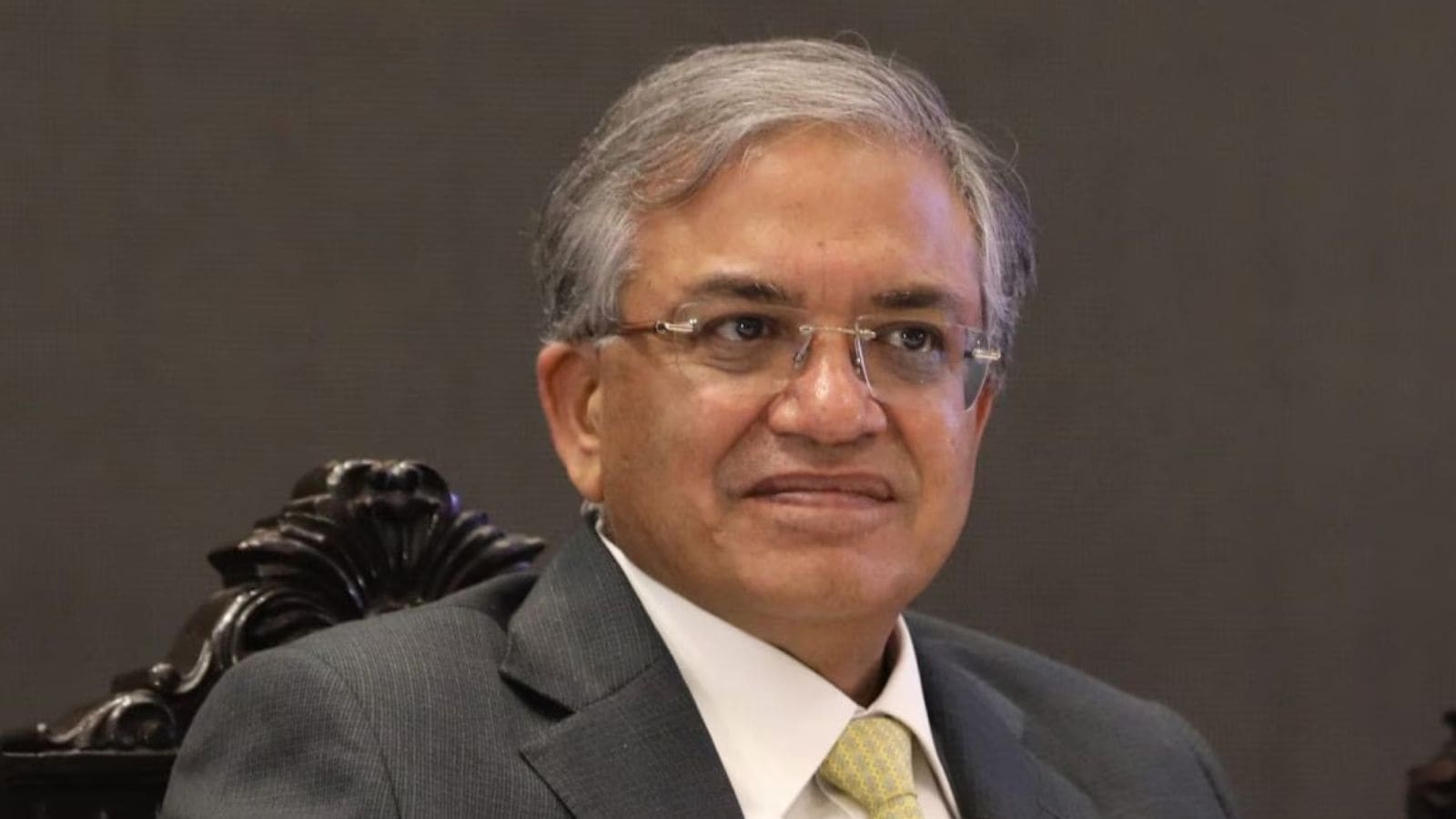
Opposition moves notice for impeachment motion against CEC Gyanesh Kumar
Summary
The Opposition Friday submitted a notice for an impeachment motion against Chief Election Commissioner (CEC) Gyanesh Kumar, with 193 signatures belonging to both Houses of Parliament.
A senior TMC MP told The Indian Express that 130 Lok Sabha members and 63 Rajya Sabha MPs signed the notice. “A total of 17 Opposition parties have supported the notice. It has been submitted in both Houses,” said the MP. The required number of signatures of MPs for the Lok Sabha to move the notice is 100, while it is 50 for the Rajya Sabha.
As per sources, the grounds cited by the Opposition include “proven misbehavior”, “partisan and discriminatory conduct”, the “SIR exercise and mass disenfranchisement”. Other grounds for the impeachment notice against Kumar include “compromised appointment”, “obstruction of investigation into electoral fraud and SIR”, “contempt of Supreme Court”, and “failure to maintain independence”.
The Trinamool Congress (TMC), led by West Bengal Chief Minister Mamata Banerjee, has taken the initiative for this move against the CEC, with senior TMC MPs being at the forefront of collecting signatures of Opposition members of both Houses of Parliament.
The Election Commission of India’s (ECI) special intensive revision (SIR) of electoral rolls has remained a contentious exercise in several states, but it has especially been controversial in West Bengal.
The move by the Opposition is largely symbolic, given the ruling NDA’s clear numerical advantage in both the Lok Sabha and the Rajya Sabha, but it has huge political significance as it comes days before the ECI is expected to announce the Assembly election schedule for West Bengal, Assam, Kerala, Tamil Nadu, and the Union Territory of Puducherry.
How is the CEC removed?
The process for seeking the CEC’s removal is similar to that of impeaching a Supreme Court judge. Article 324 (5) of the Constitution states that “the Chief Election Commissioner shall not be removed from his office except in like manner and on the like grounds as a Judge of the Supreme Court and the conditions of service of the Chief Election Commissioner shall not be varied to his disadvantage after his appointment”.
The grounds for the removal of the CEC and other election commissioners (ECs) are also laid down in Section 11 (2) of the Chief Election Commissioner and other Election Commissioners (Appointment, Conditions of Service and Term of Office) Act, 2023, which regulates the appointment, conditions of service, and term of office of the CEC and the ECs.
The procedure for the removal of a Judge is laid down in the Judges (Inquiry) Act, 1968. It stipulates that a complaint against a judge is taken up if it is signed by at least 100 members in the Lok Sabha and 50 members in the Rajya Sabha. Once the motion is submitted, the presiding officer of the House takes a call on whether to accept or reject it.
If the motion is admitted, the Speaker or the Chairman of the House constitutes a three-member investigative committee.
The committee then frames charges based on which the investigation is conducted. After concluding its investigation, the committee submits its report to the Speaker or Chairman, who then has to lay the report before the relevant House. If the report records a finding of misbehaviour or incapacity, the motion for removal is taken up for consideration and debated.
For the motion to go through, at least two-thirds of those “present and voting” in both the Lok Sabha and the Rajya Sabha must vote to remove the judge, and the number of votes in favour must be more than 50 per cent of the “total membership” of each House. Once both Houses adopt the motion by a special majority, it is sent to the President of India.
Asad Rehman is with the national bureau of The Indian Express and covers politics and policy focusing on religious minorities in India. A journalist for over eight years, Rehman moved to this role after covering Uttar Pradesh for five years for The Indian Express.
During his time in Uttar Pradesh, he covered politics, crime, health, and human rights among other issues. He did extensive ground reports and covered the protests against the new citizenship law during which many were killed in the state.
During the Covid pandemic, he did extensive ground reporting on the migration of workers from the metropolitan cities to villages in Uttar Pradesh. He has also covered some landmark litigations, including the Babri Masjid-Ram temple case and the ongoing Gyanvapi-Kashi Vishwanath temple dispute.
Prior to that, he worked on The Indian Express national desk for three years where he was a copy editor.
Rehman studied at La Martiniere, Lucknow and then went on to do a bachelor's degree in History from Ramjas College, Delhi University. He also has a Masters degree from the AJK Mass Communication Research Centre, Jamia Millia Islamia. ... Read More
Stay updated with the latest - Click here to follow us on Instagram
A senior TMC MP told The Indian Express that 130 Lok Sabha members and 63 Rajya Sabha MPs signed the notice. “A total of 17 Opposition parties have supported the notice. It has been submitted in both Houses,” said the MP. The required number of signatures of MPs for the Lok Sabha to move the notice is 100, while it is 50 for the Rajya Sabha.
As per sources, the grounds cited by the Opposition include “proven misbehavior”, “partisan and discriminatory conduct”, the “SIR exercise and mass disenfranchisement”. Other grounds for the impeachment notice against Kumar include “compromised appointment”, “obstruction of investigation into electoral fraud and SIR”, “contempt of Supreme Court”, and “failure to maintain independence”.
The Trinamool Congress (TMC), led by West Bengal Chief Minister Mamata Banerjee, has taken the initiative for this move against the CEC, with senior TMC MPs being at the forefront of collecting signatures of Opposition members of both Houses of Parliament.
The Election Commission of India’s (ECI) special intensive revision (SIR) of electoral rolls has remained a contentious exercise in several states, but it has especially been controversial in West Bengal.
The move by the Opposition is largely symbolic, given the ruling NDA’s clear numerical advantage in both the Lok Sabha and the Rajya Sabha, but it has huge political significance as it comes days before the ECI is expected to announce the Assembly election schedule for West Bengal, Assam, Kerala, Tamil Nadu, and the Union Territory of Puducherry.
How is the CEC removed?
The process for seeking the CEC’s removal is similar to that of impeaching a Supreme Court judge. Article 324 (5) of the Constitution states that “the Chief Election Commissioner shall not be removed from his office except in like manner and on the like grounds as a Judge of the Supreme Court and the conditions of service of the Chief Election Commissioner shall not be varied to his disadvantage after his appointment”.
The grounds for the removal of the CEC and other election commissioners (ECs) are also laid down in Section 11 (2) of the Chief Election Commissioner and other Election Commissioners (Appointment, Conditions of Service and Term of Office) Act, 2023, which regulates the appointment, conditions of service, and term of office of the CEC and the ECs.
The procedure for the removal of a Judge is laid down in the Judges (Inquiry) Act, 1968. It stipulates that a complaint against a judge is taken up if it is signed by at least 100 members in the Lok Sabha and 50 members in the Rajya Sabha. Once the motion is submitted, the presiding officer of the House takes a call on whether to accept or reject it.
If the motion is admitted, the Speaker or the Chairman of the House constitutes a three-member investigative committee.
The committee then frames charges based on which the investigation is conducted. After concluding its investigation, the committee submits its report to the Speaker or Chairman, who then has to lay the report before the relevant House. If the report records a finding of misbehaviour or incapacity, the motion for removal is taken up for consideration and debated.
For the motion to go through, at least two-thirds of those “present and voting” in both the Lok Sabha and the Rajya Sabha must vote to remove the judge, and the number of votes in favour must be more than 50 per cent of the “total membership” of each House. Once both Houses adopt the motion by a special majority, it is sent to the President of India.
Asad Rehman is with the national bureau of The Indian Express and covers politics and policy focusing on religious minorities in India. A journalist for over eight years, Rehman moved to this role after covering Uttar Pradesh for five years for The Indian Express.
During his time in Uttar Pradesh, he covered politics, crime, health, and human rights among other issues. He did extensive ground reports and covered the protests against the new citizenship law during which many were killed in the state.
During the Covid pandemic, he did extensive ground reporting on the migration of workers from the metropolitan cities to villages in Uttar Pradesh. He has also covered some landmark litigations, including the Babri Masjid-Ram temple case and the ongoing Gyanvapi-Kashi Vishwanath temple dispute.
Prior to that, he worked on The Indian Express national desk for three years where he was a copy editor.
Rehman studied at La Martiniere, Lucknow and then went on to do a bachelor's degree in History from Ramjas College, Delhi University. He also has a Masters degree from the AJK Mass Communication Research Centre, Jamia Millia Islamia. ... Read More
Stay updated with the latest - Click here to follow us on Instagram
AI Description
The article discusses a significant political move by the Indian opposition to initiate an impeachment motion against the Chief Election Commissioner (CEC) Gyanesh Kumar. This action highlights the ongoing political tensions and scrutiny over the Election Commission's functioning.